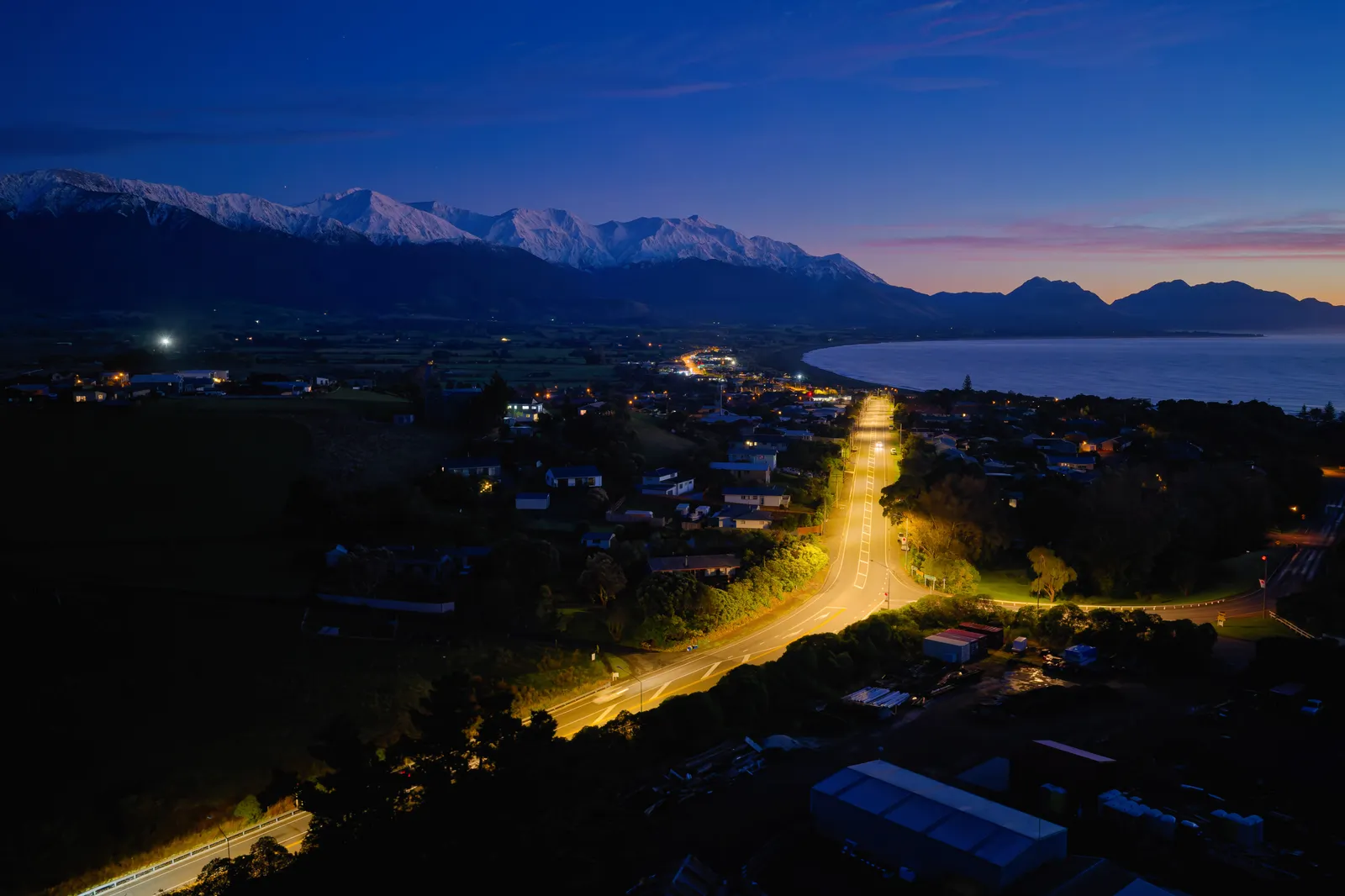
Lighting for Ecology
In summary
Outdoor lighting that keeps the night dark where it should be: controlled, warm, and pointed only where it is needed, so people can see and wildlife is left alone.
All life on earth evolved under a 24-hour cycle of day and night. Outdoor lighting at night is essential to safety and to how we use our towns after dark, but uncontrolled it has a cost: people lose the night sky, and nocturnal animals are disrupted, often fatally. Lighting for ecology means putting light only where it is needed, at a colour temperature that does less harm.
What light does to the night
The World Atlas of Artificial Night Sky Brightness, published in 2016, found that 83% of the world's population lives under light-polluted skies and one in three people cannot see the Milky Way.
Scientific studies link light pollution to animal behaviour, from courtship and migration to sense of direction. For most animals, cool-toned artificial light is the most dangerous. Long-wavelength sources of 2200K or less are far more tolerable, and often have no measurable effect at all.
The Westland petrel
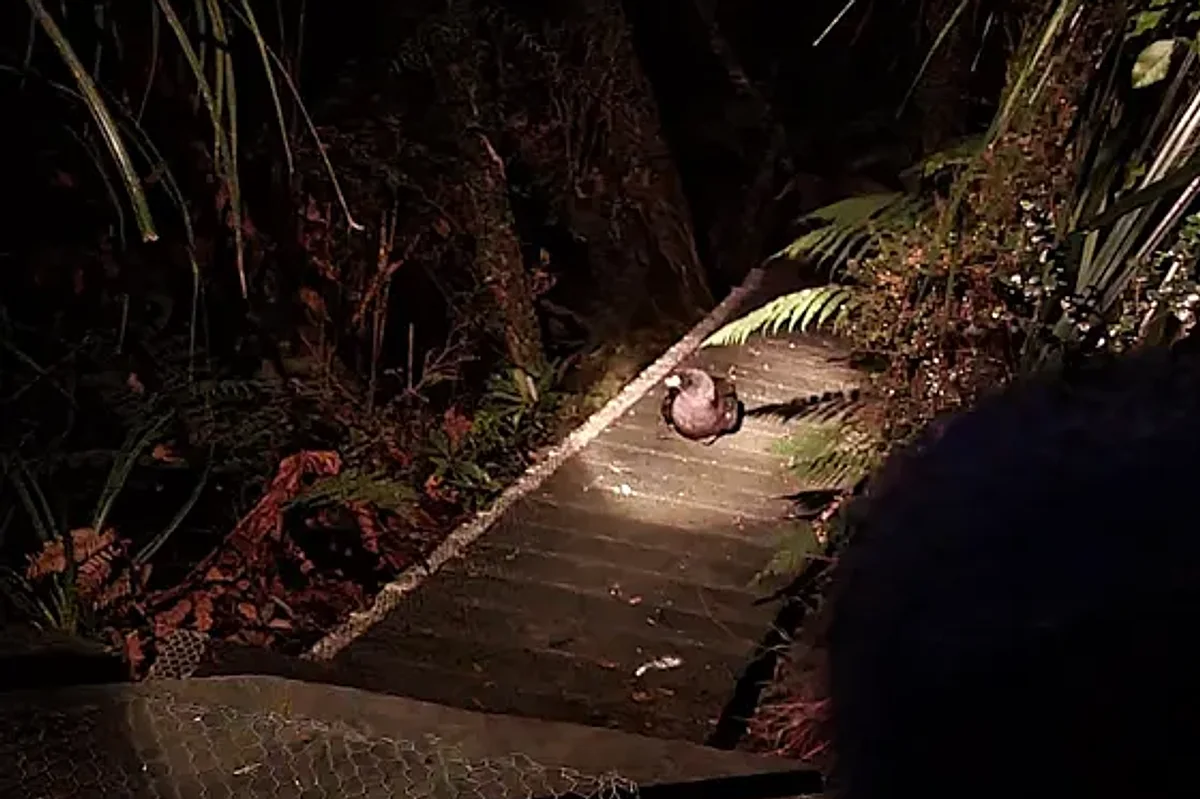
The Westland petrel is an endemic seabird that breeds in winter in the rainforest hills near Punakaiki. Like most burrow-breeding petrels it is nocturnal on land, returning to the colony after dark. Bright lights disorient the birds and they crash-land on roads and open ground, a phenomenon called fallout that has been a significant cause of death for petrels of several species.
When a recent street-light upgrade went to 4000K LEDs, residents reported more fallout, and Waka Kotahi and the local council now switch the lights off during fledging season, November to January. Read about the colony visit, and the story behind Petrel Head.
Four things to avoid
- Glare: uncontrolled intensity and distribution of light.
- Visual distraction: bright, confusing groupings of uncontrolled light sources.
- Light trespass: light falling where it is not intended or needed.
- Skyglow: brightening of the night sky over inhabited areas.
The Dark Sky approach restricts outdoor lighting to what is essential. Applied properly it avoids light pollution and gives back the night sky, and it asks more of the design than of the fitting: architects, landscape architects, lighting designers, owners, installers and manufacturers all have to be in the same conversation for it to work.
TIPS: a common language
At a lighting for ecology event we hosted recently, people from a wide range of lighting and ecology related industries sat down together to work out how to keep moving towards more ecologically responsible lighting. One outcome of the roundtable was a shared vocabulary for the conversations that follow: TIPS.
- Timing: when lighting is needed, and when it can be switched off.
- Intensity: how much light the purpose actually requires, and the ability to dim.
- Placement: where light is directed down, and where spill is avoided.
- Spectrum: the use of warmer colour temperatures.
The main principle to emerge from the day was to start with darkness. From there, light is introduced only where it is genuinely needed, with its timing, intensity, placement and spectrum considered for the specific purpose, application and environment.
How we light for it
- Dark Sky approved luminaires from ERCO, ewo, RZB and CU Phosco, and bollards that put no light above the horizontal.
- Warm and amber sources: 2700K, 2200K, and PC Amber optics for the most sensitive sites.
- Optical accessories that shape the beam. ewo's Lightlayers cut glare by up to 70% and backlight by up to 65%, so light stops at the edge of the path.
- Forward-throw and side-throw roadway optics with backlight shields, so obtrusive light is controlled at the source.
- Controls that dim, switch and schedule, including turning the lights off when the birds are flying.
Energylight presented on light pollution and its effects on ecology at the New Zealand Starlight conference in Tekapo in 2019, and offers professional development on lighting for the outdoors with an emphasis on dark sky, ecology and wellbeing. Mike Geddis is our outdoor lighting and dark sky specialist. Talk to Mike for any project needs or queries.
Related projects
Related products
All 15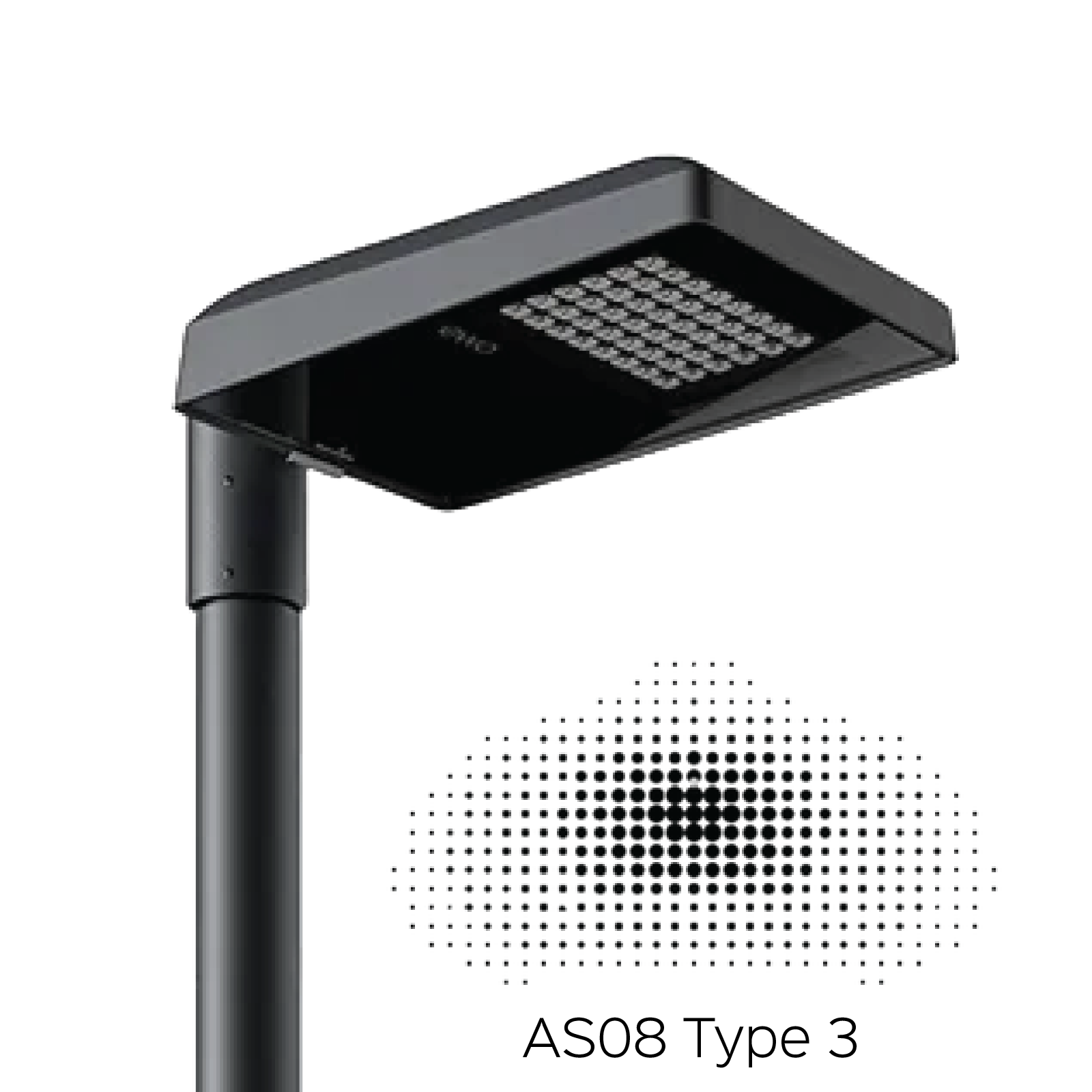
ewo
F-System Type 3
3000K CRI 70 | 36W - 146W | 4220lm - 18800lm | Up to 129lm/W | AS08 side and forward throw | XS or S, 4-8m poles
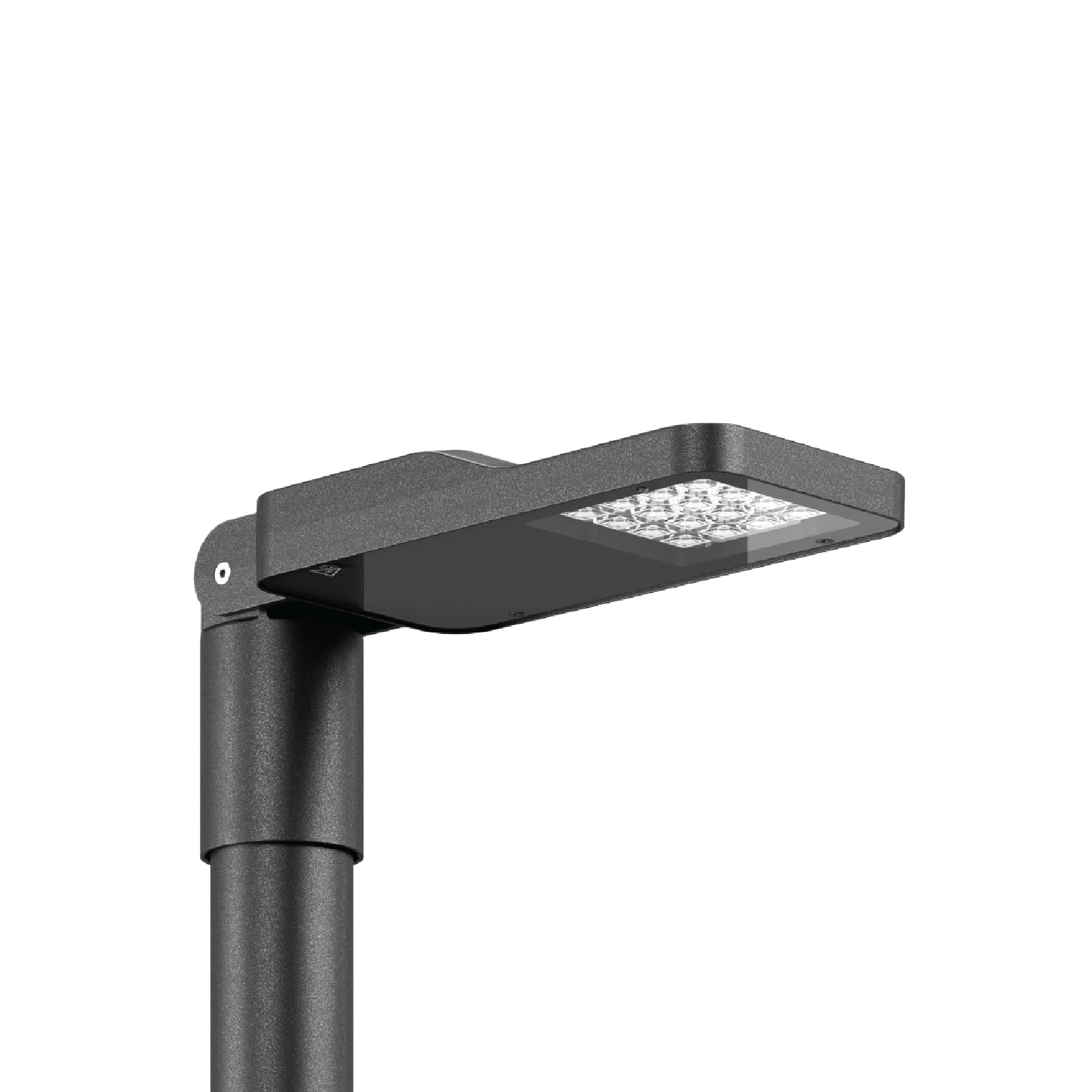
RZB
RZB Lightstream Mini
IP66 | 0% upward light | 11W - 32W | 1300lm - 4850lm | Up to 152lm/W | Asymmetric pole-top or 22°-90° spotlight | DALI or Zhaga
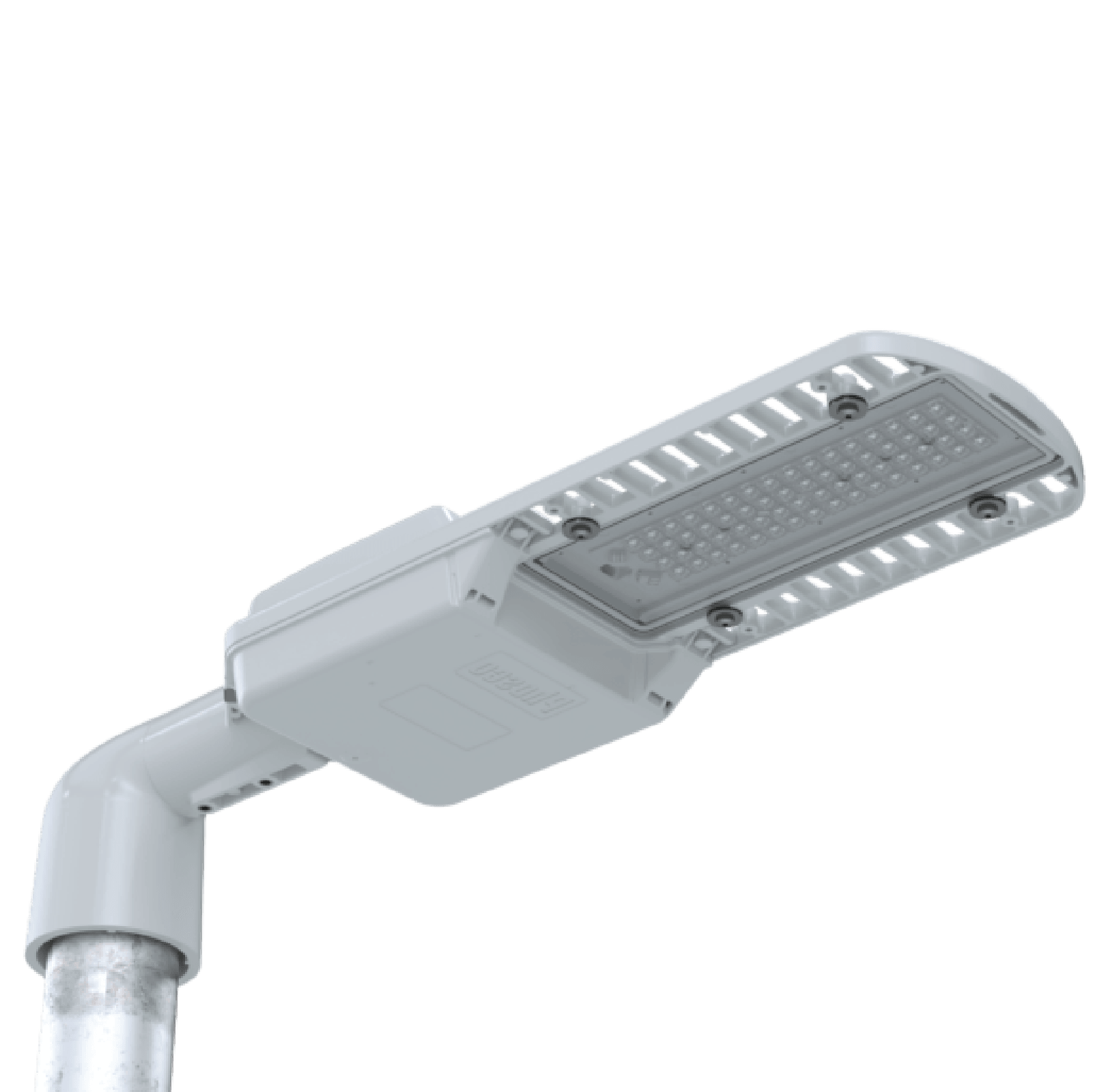
CU Phosco
CU Phosco E951
Road and residential lantern | 12 LED, 24 HE or 64 LED | 1200lm - 15300lm | 9W - 98W | Up to 168lm/W | IP66 | DarkSky Approved