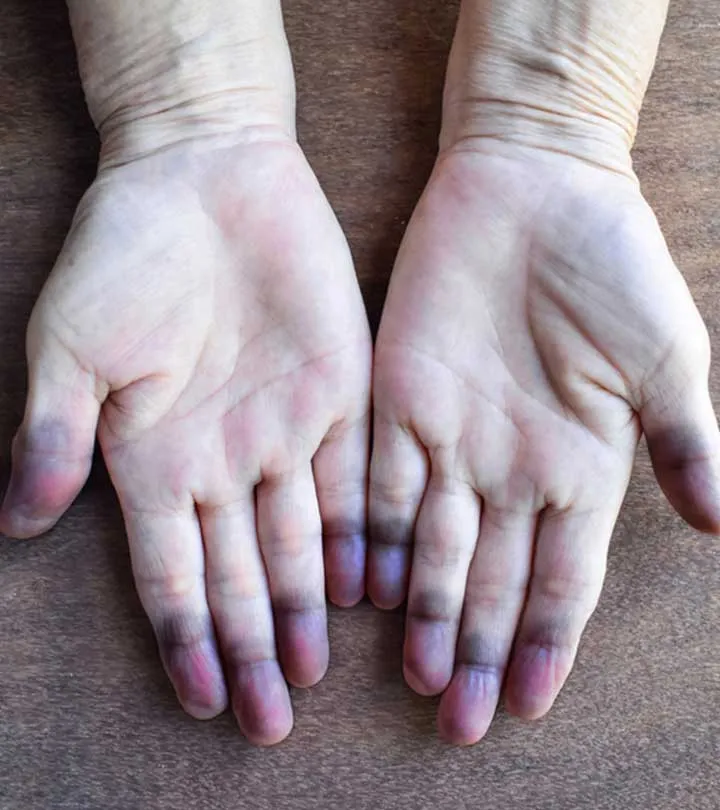
What is Cyanosis Detection?
In summary
Cyanosis is the bluish colouring of skin and membrane that appears when too much reduced haemoglobin is in the blood, and it shows first where the skin is thin. What causes it, and which lighting lets a clinician see it at all.
Posted on: 13 / 09 / 2021
What is Cyanosis Detection?
To understand how to detect cyanosis, we need to firstly, understand what cyanosis is. Cyanosis is defined as the diffused bluish coloration of the skin and mucous membrane. This can be on one's skin, lips, tongue, nose, fingertips. It is usually distributed where the skin is thin.
It is due to the presence of a large amount of reduced hemoglobin (the protein found in the red blood cells that carry oxygen in your body and give blood its red colour) in the blood. Levels in the blood that reduce between 5-7g/DI in the blood will be a catalyst for cyanosis.
Cyanosis is classified into three types:
- Central cyanosis is a generalized bluish color of the body and mucous membranes.
- Peripheral cyanosis is a bluish discoloration of the hands, fingertips or toes, and sometimes around the mouth.
- Differential cyanosis is an uneven bluish discoloration between the upper and lower extremities.
HOW DOES CYANOSIS OCCUR?
A range of reasons, some of which are listed below:
- polycythemia - where blood flow is low commonly caused by a mutation in bone marrow cells.
- altered hemoglobin conditions - due to poisoning hemoglobin is altered into methemoglobin or sulfhemoglobin.
LIGHTING PRODUCTS THAT DETECT CYANOSIS IN HUMANS?
To ensure cyanosis is correctly detected, the lighting in all clinical observation areas must meet standards and be of the highest quality. This is due to cyanosis being a visual cue of a medical symptom based on observable colour, lighting conditions, and light quality which all play a significant part in its visual detection. For cyanosis observation, medical lighting should have an appropriate power output in the red part of the visible spectrum. If the output is too low, a patient’s skin colour may appear darker and he/she may be diagnosed as cyanosed when this is not the case.
Australia and New Zealand use the Cyanosis Observation Index (COI) where the interior lighting standards define the parameters of the COI for hospitals and medical facilities. To be considered – ‘Cyanosis Compliant’ a medical examination light requires the following technical specifications:
- (AS/NZS 1680.2.5:2018 – Section 7 Light Source Colour)
- COI of 3.3 or Less – the lower the better
- A Correlated Colour Temperature (CCT) of between 3300K and 5300K
- A Colour Rendering Index (CRI) of >80
Energylight supplies a range of COI-compliant luminaries, some of the key ones are:
- Waldmann ZERA BED: [Specialist Health lighting](/indoor?fixture=Specialist%20Health)
- RZB Parledo Cyanosis: Energylight Cyanosis Detection Lighting - RZB Sidelite Eco, Kaleea, Parledo
- RZB Sidelite Eco Cyanosis: Energylight Cyanosis Detection Lighting - RZB Sidelite Eco, Kaleea, Parledo
- RZB Kaleea Cyanosis Energylight Cyanosis Detection Lighting - RZB Sidelite Eco, Kaleea, Parledo
If you would like to find out more contact our team here .
Want to learn more about our healthcare offering? Click Here
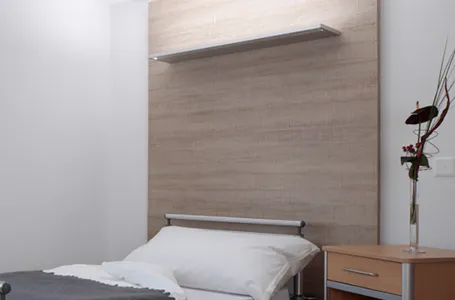
Waldmann Zera Bed
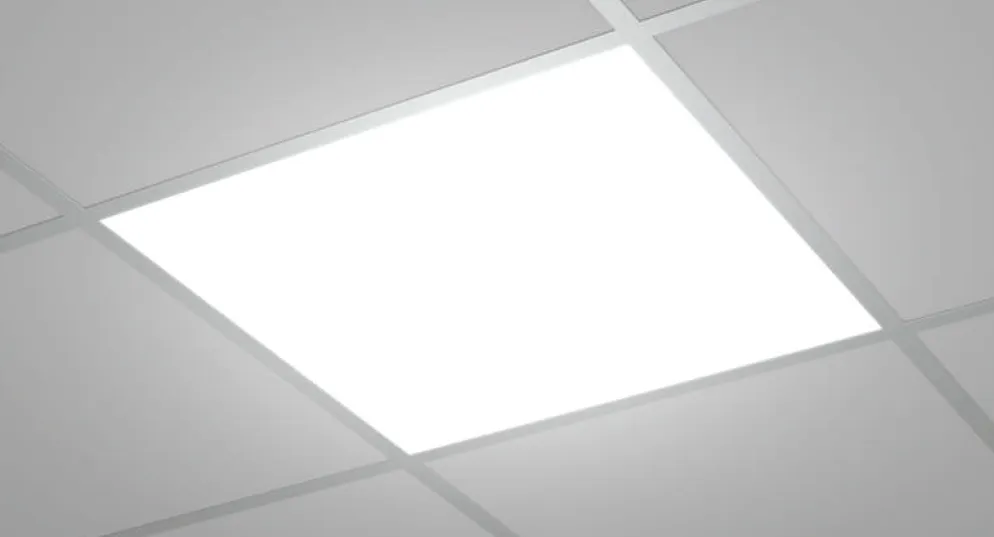
RZB PARLEDO® CYANOSIS
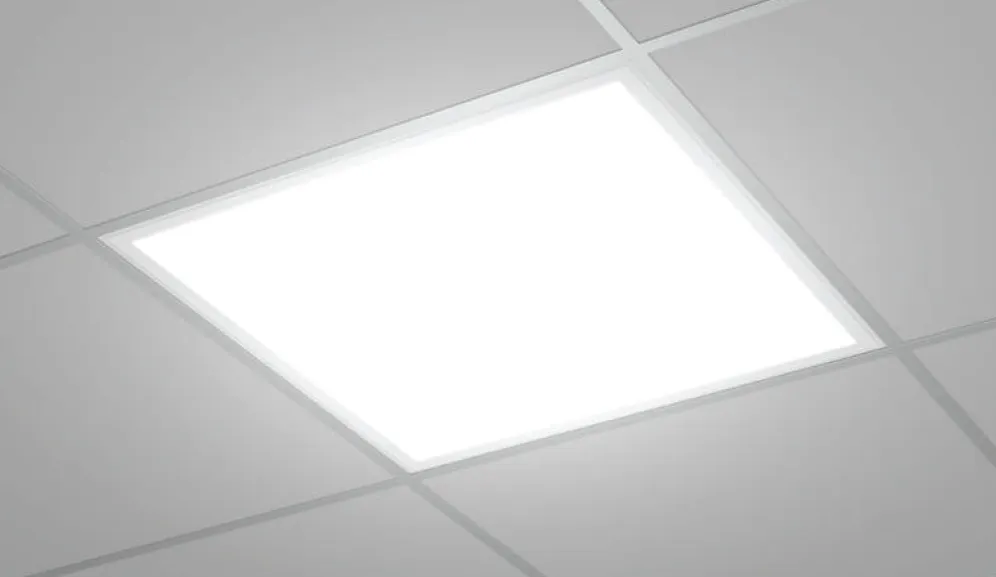
RZB SIDELITE® ECO CYANOSIS
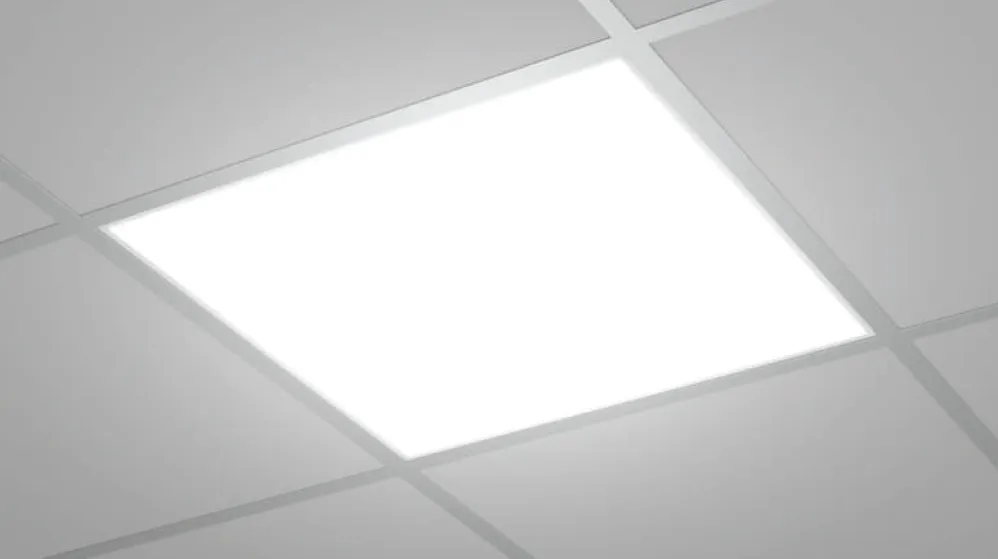
RZB KALEEA CYANOSIS